February Is Heart Month: Why It Matters
Every February, communities, healthcare providers, and patients across the nation come together to focus on one critical mission: preventing heart disease and stroke. American Heart Month has been observed nationally since President Lyndon Johnson signed Presidential Proclamation 3566 in December 1963, which officially declared February 1964 the first American Heart Month. This annual observance remains a powerful reminder that cardiovascular health deserves our attention and action.
National Wear Red Day, celebrated on the first Friday in February, draws particular attention to women’s heart health. Many people don’t realize that heart disease is also the leading killer of women, not just men. This day encourages everyone to wear red as a visible sign of support and awareness for the millions affected by cardiovascular conditions.

Here in Houston and throughout the Greater Houston area, the importance of Heart Month hits close to home. Many residents live with hypertension, diabetes, and obesity—all key contributors to heart disease. But Heart Month isn’t just about statistics or scary numbers. It’s about taking care of your health through small, realistic steps that protect your own heart and the hearts of those in your family.
Heart Disease: The Number One Global Killer
Cardiovascular disease remains the leading cause of death globally and in the United States, affecting men and women of all backgrounds and ethnic groups. According to global data from 2019, there were over 523 million cases of cardiovascular disease worldwide, resulting in 18.6 million deaths that year alone.
Within the United States, the burden is equally significant. As of 2022, cardiovascular disease was responsible for approximately 1 in every 5 deaths in the country. That translates to hundreds of thousands of Americans losing their lives each year to conditions that are often preventable.
When we talk about heart disease, we’re referring to a broad category that includes:
| Condition | Description |
| Coronary artery disease | Blockages in the arteries supplying the heart |
| Heart attacks | Sudden loss of blood flow to heart muscle |
| Heart failure | The heart’s inability to pump blood effectively |
| Arrhythmias | Irregular heart rhythms like atrial fibrillation |
| Hypertensive heart disease | Damage from long-term high blood pressure |
Conditions such as high blood pressure, type 2 diabetes, obesity, and high cholesterol are becoming increasingly common across all communities. These chronic conditions are major drivers of rising cardiovascular risk. Perhaps most concerning is that many heart attacks and stroke events happen suddenly, often without warning symptoms. This reality underscores the importance of early detection and regular checkups with qualified healthcare providers.
Know Your Risk Factors
Understanding your personal risk is one of the most powerful tools you have for preventing heart disease. While some risk factors are beyond your control, many can be modified through lifestyle changes and medical management.
Medical risk factors you should discuss with your clinician include high blood pressure, elevated LDL (the “bad” cholesterol), low HDL (the “good” cholesterol), diabetes or prediabetes, kidney disease, and sleep apnea. Each of these conditions places additional stress on your cardiovascular system and increases your chances of experiencing a heart attack or stroke.

Lifestyle-related risks that contribute significantly to heart disease include smoking or vaping nicotine, obesity, physical inactivity, diets high in sodium and saturated fat, and heavy alcohol use. The good news is that these factors respond well to changes you can start making today.
Some risk factors cannot be changed, but should inform your approach to prevention. These include family history of early heart disease (especially in a parent or sibling before age 55 for men or 65 for women), your own age (over 45 for men, over 55 for women), and belonging to certain racial groups that face higher cardiovascular risk.
Women face some unique risk factors that deserve special attention. A history of preeclampsia or high blood pressure during pregnancy, gestational diabetes, or early menopause can all increase cardiovascular risk later in life. Women should not ignore symptoms and should discuss their complete reproductive history with their healthcare provider.
As you read through these risk factors, take a mental tally of which ones apply to you. If you find yourself checking off multiple boxes, it may be time to schedule a conversation with a clinician about your heart health.
Simple Steps You Can Take This February
Here’s the encouraging news: research suggests that up to 80% of heart disease and stroke cases can be prevented or delayed through manageable daily changes and proper medical care. The American Heart Association’s Life’s Essential 8 framework provides evidence-based guidance for improving cardiovascular health.
Nutrition improvements can make a significant difference in your heart health. Focus on incorporating more fruits and vegetables, whole grains, and lean proteins into your meals. Choose healthy fats like those found in olive oil, nuts, and fish. Simultaneously, work to reduce your intake of salt, added sugar, and processed foods. You don’t need to overhaul your entire diet overnight—small, consistent changes add up over time.
Physical activity goals should be concrete and achievable. Aim for at least 150 minutes of moderate exercise per week. That might look like brisk walking for 30 minutes a day, five days per week. If you’re currently sedentary, start where you are—even 10 minutes of movement is better than none. Physical inactivity is a major risk factor, but it’s also one of the easiest to address once you build momentum.
Additional priorities for Heart Month include:
- Quitting smoking or vaping (resources are available to help)
- Limiting alcohol consumption
- Getting 7–9 hours of quality sleep per night
- Finding ways to practice relaxation techniques to manage stress
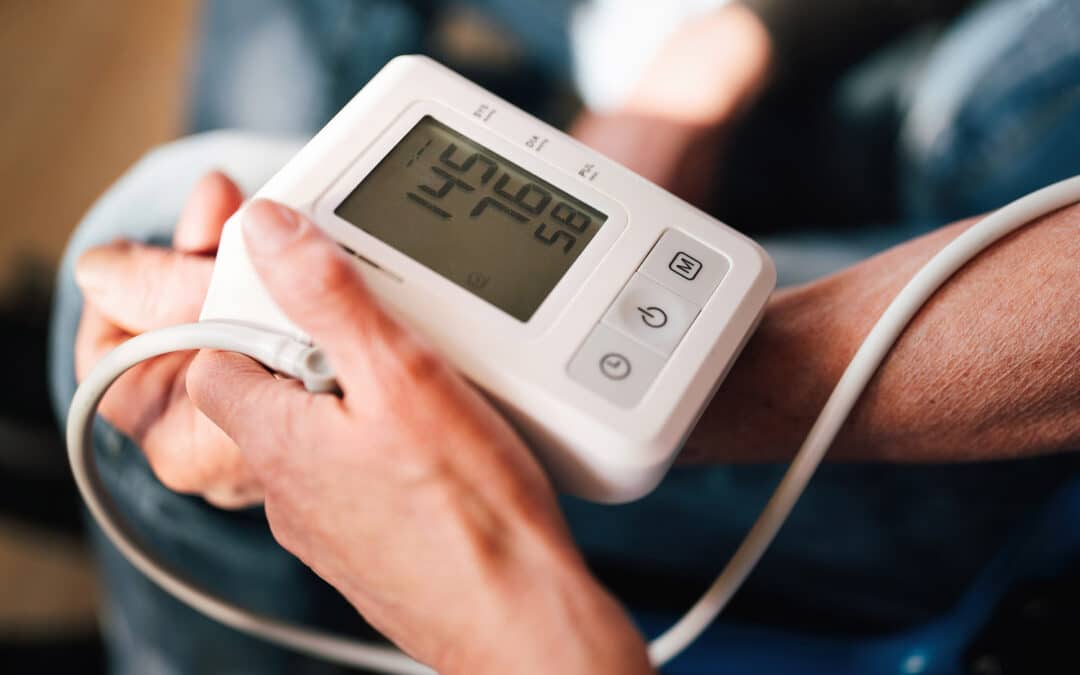
Make it a priority to “know your numbers.” This means understanding your current blood pressure, cholesterol levels, blood sugar, and weight or BMI. If you don’t know these numbers or haven’t had them checked in the past year, schedule a checkup. These metrics provide crucial early warning signs of cardiovascular risk.
Consider framing February as a 28-day challenge for yourself. Choose one or two specific, realistic goals—like adding a daily walk, reducing sugary drinks, or finally scheduling that overdue checkup—and commit to them starting immediately. Small wins build confidence and momentum for lasting change.
When to Seek Medical Help for Your Heart
Some heart symptoms require urgent care, while others are warning signs that should prompt a scheduled cardiology visit. Knowing the difference could save your life.
Serious, urgent symptoms that require you to call 911 immediately include:
- Chest pressure or pain, especially with physical activity
- Pain spreading to your arm, jaw, neck, or back
- Severe shortness of breath
- Sudden dizziness, fainting, or confusion
- Sudden weakness or numbness on one side of the body (a sign of stroke)
Do not drive yourself to the hospital if you’re experiencing these symptoms. Call 911 and let emergency responders come to you.
More subtle warning signs that warrant a scheduled cardiology evaluation include new or worsening fatigue, palpitations or an irregular heartbeat, ankle or leg swelling, shortness of breath when lying flat, or finding that you can walk fewer blocks than usual due to leg pain or breathlessness. These symptoms may develop gradually, but shouldn’t be dismissed.
It’s important to note that people with diabetes, older adults, and women may experience “atypical” heart attack symptoms. Rather than classic chest pain, they might feel nausea, back discomfort, extreme fatigue, or general weakness. Don’t wait for textbook symptoms if something feels wrong.
If you’re in the Greater Houston area and experiencing any of these concerns, we encourage you to schedule a heart and vascular evaluation at Vital Heart & Vein rather than waiting for symptoms to worsen.
How Vital Heart & Vein Supports Your Heart Health
Vital Heart & Vein is a comprehensive cardiology, electrophysiology, vascular, and podiatry practice serving adults across the Greater Houston area. Our mission is to provide accessible, individualized, and high-quality care for patients concerned about their cardiovascular health.
Cardiology services at our clinic include preventive cardiology visits, echocardiograms, stress testing, coronary risk assessment, and ongoing management of conditions like high blood pressure and high cholesterol. Our board-certified cardiologists work with patients to develop personalized prevention and treatment plans.
Electrophysiology care addresses heart rhythm problems that can significantly impact quality of life. Our electrophysiology team specializes in diagnosing and treating. Many rhythm issues can be effectively managed with the right approach.
Vascular and vein services focus on blood vessel health throughout your body. We evaluate and provide minimally invasive treatment for peripheral artery disease, carotid artery disease, chronic venous insufficiency, varicose and spider veins, and other circulation issues. Healthy arteries and veins are essential for overall cardiovascular wellness.
Our accredited Ambulatory Surgery Center allows many procedures—including angiograms, angioplasty and stenting, vein ablations, and certain rhythm interventions—to be performed safely on an outpatient basis. This means less disruption to your life and a faster recovery.
Coordinated podiatry services support patients with diabetes and circulation problems affecting the feet and ankles. This integrated approach helps prevent ulcers and limb-threatening complications that can develop when cardiovascular issues affect the lower extremities.
We understand that accessibility matters. Vital Heart & Vein operates multiple clinic locations throughout the Greater Houston area, including Humble, Pearland, Northwest Houston, Southeast Houston, Beaumont, and Conroe. Our team of board-certified specialists tailors care plans to each patient’s unique needs and circumstances.
Take Action This Heart Month: Contact Vital Heart & Vein
Don’t let another February pass without taking your heart health seriously. Heart Month is the perfect time to schedule a heart and vascular checkup—even if you feel fine right now.
If you have known risk factors such as high blood pressure, high cholesterol, diabetes, obesity, a smoking history, or a strong family history of heart disease, a preventive cardiology visit can help you understand your risk and develop a plan to protect your health.
Anyone experiencing symptoms—chest discomfort, shortness of breath, leg pain with walking, or troublesome palpitations—should contact Vital Heart & Vein promptly for evaluation. Early detection and intervention can prevent more serious problems down the road.
Here’s how to take the next step:
- Call our clinic to schedule an appointment
- Visit our website to request an appointment online
- Ask your primary care physician for a referral to Vital Heart & Vein
While heart disease remains the number one killer globally, partnering with a dedicated heart and vascular team can significantly reduce your risk and improve your quality of life. The efforts we make in disease control and prevention today can shape our health outcomes for years to come.
At Vital Heart & Vein, we’re here to support you—not just during American Heart Month February, but every month of the year. Your healthier heart journey can start today.
Frequently Asked Questions
Is heart disease really preventable if it is the number one killer?
While not every case of heart disease can be prevented, a substantial share of heart attacks, strokes, and related deaths can be delayed or avoided entirely. The key lies in controlling modifiable risk factors: blood pressure, cholesterol, blood sugar, weight, and lifestyle habits like smoking and physical activity. Research consistently shows that people who manage these factors experience significantly better cardiovascular outcomes. Early detection through regular follow-up with a cardiology team like Vital Heart & Vein can catch problems at stages when they’re much easier to treat, often before any symptoms appear.
How often should I have my heart checked if I feel fine?
At a minimum, adults should know their blood pressure, cholesterol, and blood sugar numbers. For people without major risk factors, these are typically checked every one to three years, depending on age and baseline values. However, if you have risk factors—such as diabetes, high blood pressure, a strong family history of heart disease, or obesity—you should talk with a clinician about more frequent monitoring or a baseline cardiology evaluation. Feeling fine doesn’t guarantee your cardiovascular system is healthy, which is why proactive screening matters.
What is the difference between cardiology, electrophysiology, and vascular care?
Cardiology focuses on diseases of the heart muscle and coronary blood vessels, including conditions like coronary artery disease, heart failure, and heart attacks. Electrophysiology is a subspecialty that concentrates on the heart’s electrical system and rhythm disorders, such as atrial fibrillation and other arrhythmias. Vascular specialists focus on blood vessels throughout the rest of the body—arteries and veins in the legs, neck, and other areas—treating conditions like peripheral artery disease, carotid disease, and varicose veins. At Vital Heart & Vein, we offer all three specialties under one organization for coordinated care.
Can I see Vital Heart & Vein even if I have not had a heart attack?
Absolutely. Many of our patients come for preventive care, risk assessment, or evaluation of concerning symptoms like shortness of breath, leg pain, fatigue, or palpitations—well before any major cardiac event. In fact, seeing a cardiologist proactively is often the best way to prevent a heart attack or stroke from ever occurring. If you have multiple risk factors or simply want expert guidance on protecting your heart and circulation, we encourage you to schedule an appointment.
Do you only see patients in Houston?
Vital Heart & Vein serves patients throughout the Greater Houston area and surrounding regions. We have clinic locations in Humble, Pearland, Northwest Houston, Southeast Houston, Beaumont, Conroe, and other communities. We welcome patients from across this entire region to contact the nearest Vital Heart & Vein location to learn more about scheduling and the services we offer.
Key Takeaways
- February is American Heart Month, a nationwide campaign each February dedicated to raising awareness about heart disease—the leading cause of death in the United States and worldwide.
- Cardiovascular disease causes approximately 1 in every 5 deaths in the U.S., and while these statistics are sobering, many cases are preventable with proper care and lifestyle modifications.
- Simple daily habits can significantly lower your risk: controlling blood pressure and cholesterol, managing diabetes, quitting smoking, staying physically active, and maintaining a healthy weight.
- Vital Heart & Vein is a Houston-based cardiology and vascular practice offering comprehensive diagnostics, minimally invasive treatments, and preventive care for heart and vein health across multiple Greater Houston locations.
- If you have symptoms, risk factors, or concerns about your cardiovascular health, contact Vital Heart & Vein this February—and throughout the year—for evaluation and personalized heart care.