We often hear that small changes in our habits can make a big difference, but does this also apply to our health? Can adopting a healthier lifestyle truly affect our key health markers? The answer is a definite yes. In fact, the way we eat, how much we move, how we manage stress, and even how well we sleep can directly influence vital body indicators, such as blood sugar, cholesterol, blood pressure, and more.
Let’s take a closer look at how lifestyle changes can affect key health indicator levels and why these changes are so significant for long-term health. Along the way, we’ll also touch on how a specialized center can help guide you on your journey to better health.
Understanding Key Vital Indicators Affected by Lifestyle
Our bodies are finely tuned machines, and specific “Key Indicators” or markers can tell us a lot about our health. The great news is that by making intentional lifestyle changes, we can have a positive influence on these levels, improving our overall well-being and reducing the risk of chronic disease.
Blood Sugar (Glucose) Levels
Blood sugar, or glucose, is one of the most critical markers affected by lifestyle. When we eat foods that spike our blood sugar, like those high in refined sugars or processed carbs our bodies release insulin to help balance it out. Over time, however, a poor diet can lead to insulin resistance, where the body struggles to manage blood sugar levels. This condition, if left unchecked, can lead to type 2 diabetes.
On the flip side, regular physical activity, a diet high in fiber, and the reduction of sugary foods can help keep blood sugar levels in check. Studies have shown that even a modest weight loss of 5-10% can drastically improve insulin sensitivity and reduce the risk of diabetes.
Cholesterol and Lipid Profile
Cholesterol is another important level to monitor. Having high cholesterol, particularly high levels of LDL (low-density lipoprotein) cholesterol, can increase the risk of heart disease and stroke. Our diet plays a significant role in this: foods high in unhealthy fats, such as fried foods, certain baked goods, and processed snacks, can raise cholesterol levels.
But good news! regular physical activity, especially aerobic exercise, has been shown to improve cholesterol levels. The right kinds of fats in our diet, like those found in avocados, nuts, and olive oil, can help lower LDL and raise HDL (high-density lipoprotein), the “good” cholesterol. A healthy balance can significantly lower your risk for cardiovascular problems.
Blood Pressure
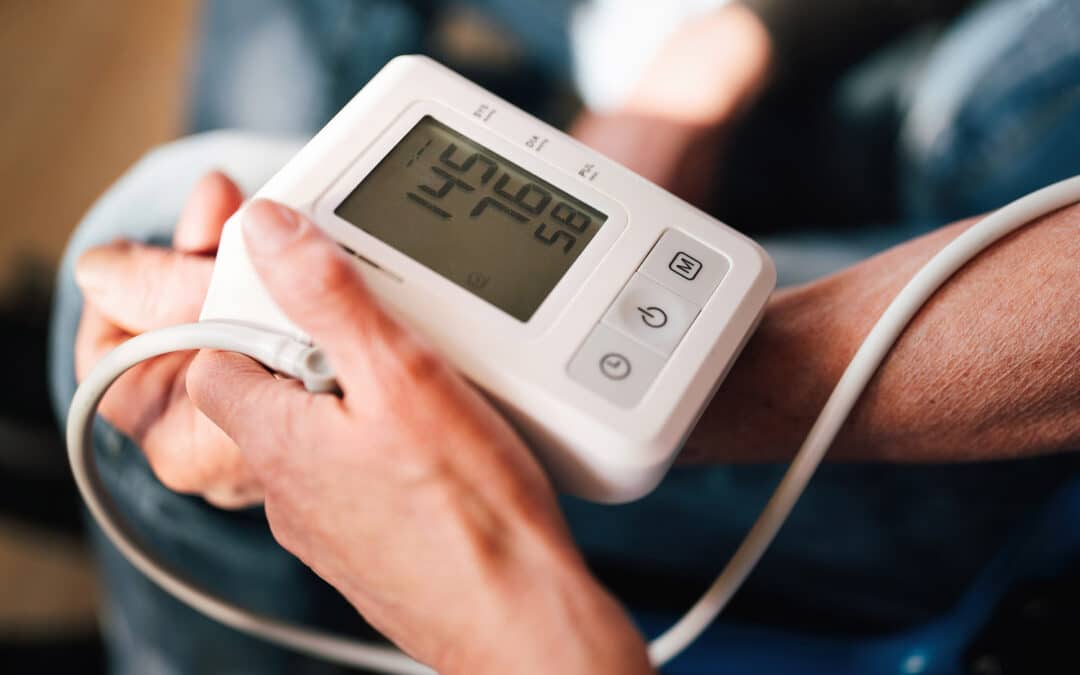
High blood pressure is often referred to as the “silent killer.” It typically shows no symptoms until significant damage has been done. It’s a key marker in assessing heart health, and lifestyle changes can have a profound impact. A sedentary lifestyle, excessive salt intake, and poor diet all contribute to rising blood pressure levels. However, studies have shown that engaging in regular physical activity, such as walking or swimming, can help reduce blood pressure levels significantly.
Along with exercise, cutting back on sodium, eating potassium-rich foods like bananas and spinach, and reducing alcohol intake are all ways to keep blood pressure within healthy limits.
Hormones (Insulin, Cortisol, Thyroid)
Hormonal imbalances can be another consequence of unhealthy living. For instance, chronic stress can lead to high levels of cortisol, a hormone that can interfere with your metabolism and immune system. Additionally, imbalances in thyroid hormones can affect everything from energy levels to body weight.
The good news is that techniques such as mindfulness, breathing exercises, meditation, or yoga can help manage stress and keep cortisol levels in check. Likewise, maintaining a balanced diet and staying active can support healthy thyroid function and overall hormonal balance.
Body Weight and BMI
Your body weight and BMI (body mass index) are indicators of overall health. Excess weight, particularly around the belly area, is associated with a higher risk of heart disease, type 2 diabetes, and certain cancers.
By adopting a healthy diet, exercising regularly, and managing stress, you can maintain a healthy weight or even lose excess weight, which in turn improves blood sugar control, lowers cholesterol, and reduces blood pressure.
How Diet Affects Body Levels
What you eat has a direct impact on several of the body levels we just mentioned. Diet is one of the most powerful tools for improving your health, and it’s something you can start adjusting right now.
Reducing Processed Foods and Sugar
Consuming too many processed foods and sugary snacks can cause blood sugar spikes, leading to insulin resistance. These foods also lack the nutrients needed to fuel your body properly. Cutting back on sugar and processed foods can help regulate blood sugar levels, prevent weight gain, and reduce inflammation in the body.
Increasing Fiber and Whole Foods
Whole foods like fruits, vegetables, lean proteins, and whole grains are packed with fiber, vitamins, and minerals. Fiber, in particular, helps regulate blood sugar levels and supports digestive health. Additionally, fiber-rich foods can help lower cholesterol and keep you feeling full longer, which aids in weight management.
Healthy Fats vs. Trans Fats
Eating the right kinds of fats is essential. Healthy fats, like those found in nuts, seeds, olive oil, and fish can improve cholesterol levels and support brain health. In contrast, trans fats found in many packaged and fried foods can increase inflammation and raise LDL cholesterol. Making smarter fat choices can have a huge impact on your lipid profile and overall heart health.
Hydration and Metabolism
Staying hydrated is key to keeping your metabolism running smoothly. Water is essential for almost every function in the body, including the transportation of nutrients and the regulation of blood pressure. When we’re dehydrated, it can cause our metabolism to slow down, which in turn can affect weight and energy levels.
How Exercise Regulates Body Functions?
Exercise is another major player when it comes to regulating body levels. From improving cardiovascular health to stabilizing blood sugar, physical activity has wide-reaching benefits for nearly every system in your body.
Aerobic Exercise and Blood Pressure
Aerobic exercises, like walking, jogging, cycling, or swimming is great for lowering blood pressure. Regular aerobic exercise improves blood flow and strengthens the heart, which helps keep blood pressure within healthy limits.
Strength Training and Blood Sugar
Strength training isn’t just about building muscle; it’s also incredibly beneficial for blood sugar regulation. Building muscle mass improves insulin sensitivity, which means your body can more effectively regulate blood sugar. This is especially important for those at risk for or already dealing with type 2 diabetes.
Weight Loss and Hormonal Balance
Exercise helps regulate hormones that control appetite, energy levels, and fat storage. As you lose weight and become more active, hormones like insulin and cortisol become more balanced, making it easier to maintain a healthy weight.
Consistency Over Intensity
While intense workouts can be beneficial, consistency is essential. Regular, moderate exercise (such as walking for 30 minutes a day) is much more sustainable and effective in the long term for enhancing physical fitness and overall health.
Sleep and Its Influence on Your Vital Levels
Sleep is often overlooked, but it’s just as important as diet and exercise when it comes to regulating body levels. When you don’t get enough sleep, it can interfere with your blood sugar control, appetite regulation, and stress hormones.
Sleep and Blood Sugar Control
Lack of sleep has been shown to make the body less responsive to insulin, leading to higher blood sugar levels. Consistent, restful sleep is crucial for maintaining healthy glucose levels.
Hormonal Repair During Sleep
Sleep is when your body gets to repair and regulate hormones. Cortisol levels drop, and other hormones that control hunger and fat storage, like ghrelin and leptin, are balanced. A good night’s sleep helps regulate these hormones, reducing cravings and making it easier to maintain a healthy weight.
Impact on Weight and Cravings
Poor sleep can lead to increased hunger, particularly cravings for high-calorie foods. When you’re well-rested, your appetite hormones work more efficiently, helping you make healthier food choices and better manage your weight.
Stress Management and Internal Balance
Chronic stress can wreak havoc on your body levels, especially if left unchecked. Elevated cortisol from stress can increase blood pressure, raise blood sugar, and lead to weight gain, particularly around the belly.
Cortisol and Chronic Stress
Chronic stress increases cortisol levels, which not only affects blood sugar and metabolism but can also contribute to anxiety and sleep disturbances. Managing stress through relaxation techniques like meditation or deep breathing can help restore balance.
Mind-Body Techniques (Yoga, Meditation)
Incorporating activities like yoga, meditation, or mindfulness into your routine can help reduce cortisol levels, improve your mood, and restore balance to your body.
Social Support and Emotional Well-being
Strong social connections and emotional support are essential for managing stress. Positive relationships can reduce feelings of anxiety and help you stay on track with healthy habits.
Avoiding Harmful Substances
Harmful substances like alcohol, smoking, and recreational drug use can disrupt body levels in various ways. Smoking, for example, can raise blood pressure and increase the risk of heart disease, while alcohol can interfere with liver function and metabolism. Limiting or avoiding these substances can significantly improve your overall health.
Curious On Lifestyle Changes Could Help You? Visit Vital Heart & Vein
The impact of lifestyle changes on improving your vital health indicators cannot be overstated. Whether it’s adjusting your diet, incorporating physical activity into your routine, managing stress, or getting enough sleep, each of these modifications can significantly boost your overall well-being and lower the risk of chronic diseases. However, recognizing and tracking these health improvements often requires professional guidance.
This is where the expertise of a cardiologist at Vital Heart & Vein becomes invaluable. Our specialists are not only equipped with the knowledge and tools to accurately assess your Vital Heart Level Indicators but also offer personalized guidance on how lifestyle adjustments can be optimized for your individual health profile. Visit Vital Heart & Vein, where a dedication to your heart health meets innovative care tailored specifically for you. Together, we can work toward not just extending life but enhancing its quality, ensuring a healthier, more vibrant future. Remember, taking the first step by consulting a cardiologist can light the way to better health, empowering you to make informed choices that can have a lasting impact on your life.