Vital Heart & Vein’s Dr. Nidal Ganim, a cardiovascular disease specialist, recently shared his expertise with Woman’s World in an article on stroke symptoms that women over 50 often overlook.
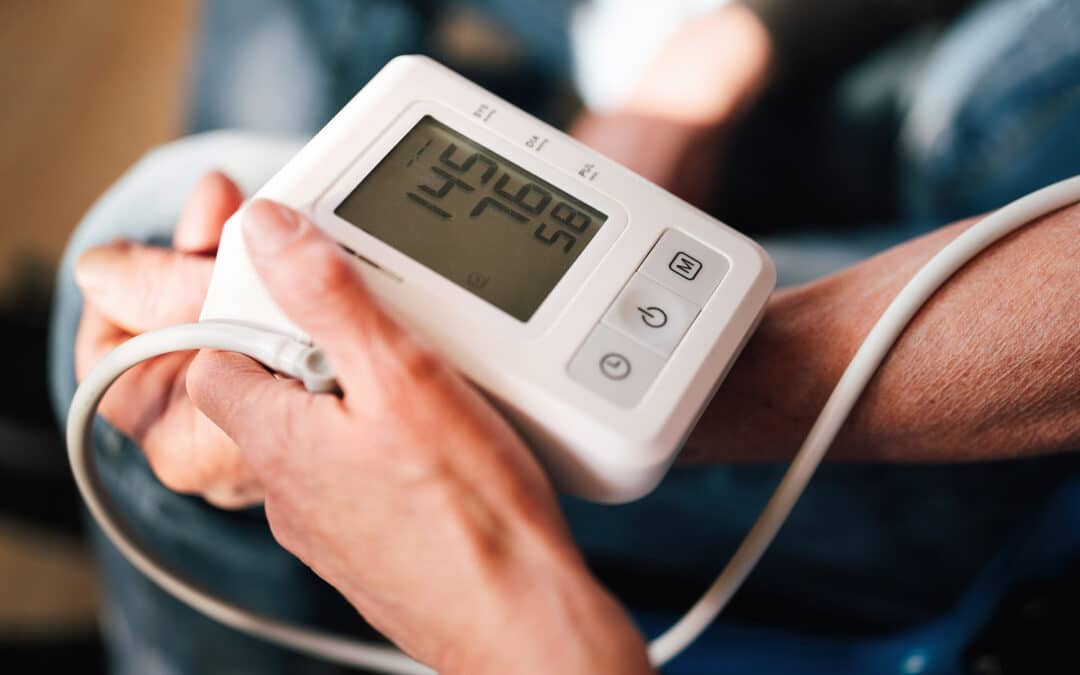
Why it matters for women. Women account for slightly more than half of all strokes, and about one in four will have one in their lifetime. Dr. Ganim explained that risk rises sharply after menopause. High blood pressure is the biggest risk factor, followed by atrial fibrillation, diabetes, high cholesterol, smoking, and inactivity. Some factors are specific to women, including a history of preeclampsia or gestational diabetes, early menopause, and migraines with aura. The encouraging news is that research suggests more than 90% of strokes are largely preventable through lifestyle changes.
Know the classic signs: BE-FAST. Dr. Ganim recommends this memory aid:
- Balance: sudden loss of coordination or trouble walking
- Eyes: blurred or double vision
- Face: drooping on one side
- Arms: sudden weakness, numbness, or tingling
- Speech: slurred or garbled words
- Time: call 911 right away
Symptoms women are more likely to dismiss. Women are more likely than men to have vague or atypical symptoms that don’t fit the classic pattern. Dr. Ganim pointed to five that can be mistaken for something else:
- sudden confusion or disorientation
- overwhelming fatigue that comes out of nowhere
- nausea or vomiting
- persistent hiccups
- a sudden, severe headache
Act fast. If any of these signs appear suddenly, call 911 right away. Don’t call your doctor first, and don’t drive yourself. Paramedics can begin evaluating you faster, and every minute of earlier treatment improves outcomes. As Dr. Ganim put it, the worst that happens if you get checked is that everything turns out fine, and the best is catching a stroke early and saving your brain.
This article is for general education and isn’t medical advice. If you think you or someone near you is having a stroke, call 911.
Read the full article on Woman’s World →
Want to understand your own stroke risk? Schedule an appointment with a Vital Heart & Vein cardiologist.