The world is becoming increasingly complex and stressful as time passes. This means additional inflammation in the body. Several factors contribute to ill health in humans, including sedentary habits, stress, and poor dietary choices.
However, a growing body of research highlights the link between chronic inflammation and heart disease, emphasizing the importance of adopting a low-inflammatory diet.
In this comprehensive article, we will examine the mechanisms by which a low-inflammatory diet can positively impact heart health. Let’s get started.
Understanding Inflammation and Heart Health
Inflammation is a natural response of the body’s immune system to injuries, infections, or harmful stimuli. However, when inflammation becomes chronic and systemic, it can contribute to the development and progression of various diseases, including heart disease.
Chronic inflammation may lead to the formation of arterial plaques, narrowing of blood vessels, and an increased risk of blood clot formation, all of which are significant contributors to heart-related issues.
Role of Inflammation in Atherosclerosis
Atherosclerosis, a condition characterized by the accumulation of plaque in the arteries, is a key contributor to heart disease. Chronic inflammation can initiate and exacerbate the process of atherosclerosis.
Inflammatory cytokines and immune cells play a crucial role in the formation of arterial plaques. This compromises blood flow and increases the risk of heart attacks and strokes.
Connection Between Inflammation and Blood Clotting
Chronic inflammation can disrupt the delicate balance of the blood clotting process, leading to an increased tendency for abnormal clot formation. This heightened risk of clotting is a concern for individuals with atherosclerosis, as blood clots can block arteries, triggering severe cardiovascular events.
Inflammation and High Blood Pressure
Elevated blood pressure, or hypertension, is a major risk factor for heart disease. Inflammation can contribute to hypertension by affecting blood vessel function and promoting the retention of fluids and sodium.
Addressing inflammation through dietary and lifestyle interventions can play a role in managing blood pressure and promoting overall heart health.
Components of a Low-Inflammatory Diet
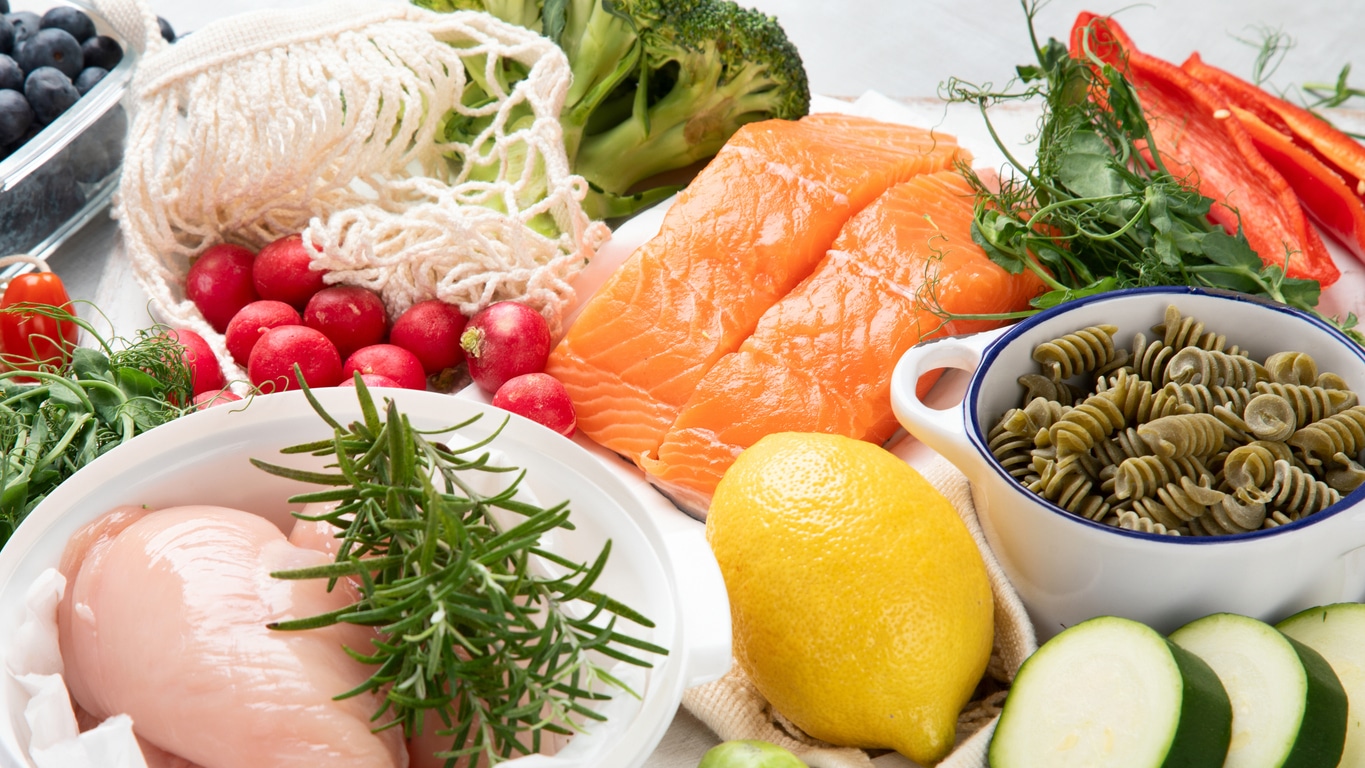
A low-inflammatory diet focuses on incorporating foods that help reduce inflammation while minimizing the consumption of pro-inflammatory substances. Here are the critical components of a heart-healthy, low-inflammatory diet:
Fatty Fish
You have likely heard of the benefits of eating fatty fish at least once a week, if not more often. Rich in omega-3 fatty acids, fatty fish like salmon, mackerel, and sardines have anti-inflammatory properties that benefit heart health.
Berries
Packed with antioxidants and fiber, berries such as blueberries, strawberries, and raspberries combat oxidative stress and inflammation. You can’t go wrong with fruits of any kind.
Leafy Greens
Make sure at least half your plate is filled with leafy greens of some kind. It can be a salad or sauteed greens. Spinach, kale, and other leafy greens contain vitamins, minerals, and antioxidants that support heart health and reduce inflammation.
Nuts and Seeds
Almonds, walnuts, flaxseeds, and chia seeds are excellent sources of heart-healthy fats, fiber, and anti-inflammatory compounds. A handful of nuts is all you need every day to stay healthy.
Extra-Virgin Olive Oil (EVOO)
Extra virgin olive oil is a staple of the Mediterranean diet and provides monounsaturated fats with anti-inflammatory effects. It’s best if it’s used without cooking or heating up. Pour it over your pasta, use it in a salad dressing, or dip your bread into it.
Quinoa, Brown Rice, and Oats
Whole grains are rich in fiber and nutrients that contribute to heart health. They also have a lower glycemic index, helping manage blood sugar levels and inflammation. Get a range of whole grains in your diet by trying barley, amaranth, buckwheat, and millet.
Tomatoes, Bell Peppers, and Broccoli
Colorful vegetables contain various antioxidants and phytochemicals that combat inflammation and promote overall health. Eat the rainbow. Your plate should include a wide array of colors.
Chicken, Turkey, and Tofu
Lean protein sources provide essential amino acids without the saturated fat found in some red meats. Tofu, particularly, is an excellent source of all essential amino acids.
Turmeric and Ginger
These spices have potent anti-inflammatory properties, and incorporating them into meals can contribute to heart health. Adding all sorts of herbs and spices to your diet is important.
There are probably many out there that you have not tried. Why not make it a game and try them all?
Garlic
Known for its cardiovascular benefits, garlic has anti-inflammatory and anti-clotting properties. You can eat garlic raw or cooked without losing any of its myriad benefits.
Yogurt, Kefir, and Fermented Foods
Probiotics promote a healthy gut microbiome, and emerging research suggests a link between gut health and inflammation. There are so many delicious probiotic foods out there, like kimchi, sauerkraut, and more—a lot of these you can make at home easily and without much fuss.
Bonus: Water and Herbal Teas
Staying well-hydrated supports overall health and can contribute to the reduction of inflammation. How do you tell if you are dehydrated? Keep an eye on your pee color – if it’s anything other than a light yellow, you might need to up your water intake.
Food Choices to Limit or Avoid
In a low-inflammatory diet, it’s crucial to minimize or avoid certain foods that can contribute to inflammation and negatively impact heart health. You might already be aware of many of these, but repetition never hurts anybody.
Fast Food and Packaged Snacks
Processed foods of any kind should be avoided as much as possible. These often contain trans fats, excessive sodium, and refined sugars, all of which can contribute to inflammation. Eat natural foods close to the source, and you will do fine.
Sodas and Sugary Juices
Public enemy number one has to be sugar and the various ways it sneaks into our diet. High sugar intake is associated with inflammation and an increased risk of cardiovascular disease. Avoid all items with added refined sugar.
White Bread and Pastries
Foods high in refined carbohydrates can contribute to inflammation and may negatively impact heart health. As much as possible, stick to whole-grain versions. So, choose brown or red rice over white rice and sourdough bread over white.
Bacon, Sausages, and Processed Meats
These items often contain saturated fats and additives linked to inflammation. Reducing intake and choosing leaner cuts can be beneficial.
Limiting Alcohol Consumption
Excessive alcohol intake can contribute to inflammation and may negatively affect heart health. Moderation is key.
Lifestyle Factors Supporting a Low-Inflammatory Diet
A sedentary lifestyle isn’t going to help your heart’s health. Adopting a low-inflammatory diet is most effective when combined with other heart-healthy lifestyle choices. These include:
Cardiovascular Exercise and Strength Training
Physical activity supports cardiovascular health, helps manage weight, and contributes to overall well-being. Do what you love, be it swimming, yoga, running, hiking, or whatever else. You are more likely to stick to staying active if you enjoy the activity.
Quality Sleep Habits
Lack of sleep or poor sleep quality can contribute to inflammation. Establishing healthy sleep habits is crucial for heart health. Do a digital detox every night before sleep by switching off all devices for at least an hour before you fall asleep.
Mindfulness, Yoga, and Relaxation Techniques
Chronic stress can contribute to inflammation. Incorporating stress-reducing activities into daily life supports heart health. There are many ways to do this, but meditation, Tai Chi, and yoga are some excellent ways.
Even 15 minutes of mindfulness practice every day can do wonders for your stress levels. And no, you don’t have to sit in a cross-legged position to achieve this. You can sit on a chair or on a comfortable cushion on the ground in whatever position suits your body.
Balanced Nutrition and Portion Control
Achieving and maintaining a healthy weight through a well-balanced diet and portion control is essential for heart health. Do not overeat.
Try not to get to a point where you are so hungry you can’t control your portions. Eat small meals every few hours rather than one or two big ones.
Monitoring Blood Pressure and Cholesterol Levels
Regular health check-ups help identify and manage risk factors for heart disease like high cholesterol levels. Vital Heart & Vein is here to help you. Make sure you visit them at least twice a year for regular checkups.
Heart Healthy Eating Helps Control Inflammation Levels
Now that you know which anti-inflammatory foods to include in your diet, it’s time to go grocery shopping and fill your pantry and fridge with them. Remember, if you don’t have processed food in your house, you are less likely to eat it.
If you would like additional support on your journey towards an anti-inflammatory diet, Vital Heart and Vein is here to help. We have 15 Houston area locations to help you along your heart health journey. Our team of dedicated, board-certified physicians uses technology, education, and more to help with the prevention and treatment of heart disease.
Find a physician near you so you can start this heart-healthy journey ASAP.