Living with arrhythmia can feel unsettling. Your heart, the rhythm keeper of your body, suddenly skips a beat or races unexpectedly, and that uncertainty can be stressful. But here’s the good news: many people with arrhythmia manage their condition successfully with a few key lifestyle changes. The goal isn’t perfection, it’s rhythm, balance, and living well.
Arrhythmia doesn’t always need aggressive treatment; in many cases, managing daily triggers and making thoughtful lifestyle adjustments can significantly improve symptoms and even reduce the frequency of episodes. Let’s walk through what causes arrhythmia to flare up and how you can begin to take control.
Common Triggers of Arrhythmia
Arrhythmias can come out of nowhere. But quite often, there are clear lifestyle-related triggers. Understanding them is the first step toward regaining control of your heart rhythm.
Stress and Anxiety
Stress isn’t just in your head, it’s in your heartbeat. Anxiety and emotional strain activate the body’s fight-or-flight response, releasing stress hormones like adrenaline that can cause the heart to beat irregularly. Studies show that emotional stress is a common trigger for atrial fibrillation, the most common type of arrhythmia.
Caffeine and Alcohol
That morning coffee or glass of wine at night might seem harmless, but for someone with arrhythmia, it can be a different story. Caffeine and alcohol are stimulants that can overwork the heart and cause irregular beats.
Poor Sleep and Fatigue
Your heart needs rest just like the rest of you. When you don’t sleep well, your body operates in overdrive, and your heart’s electrical system can become more prone to irregular activity. Sleep apnea, for example, is a significant sleep disorder linked to arrhythmia, particularly atrial fibrillation.
Smoking and Stimulants
Nicotine and other stimulants found in cigarettes and vaping devices are notorious for increasing heart rate and blood pressure. These substances can disrupt the electrical impulses that regulate your heartbeat and make arrhythmia symptoms worse. The American Heart Association warns that smoking doubles the risk of heart rhythm problems.
Underlying Health Conditions
Arrhythmias rarely exist in a vacuum. High blood pressure, thyroid disorders, diabetes, and other chronic conditions can all impact heart function. Left unmanaged, they can increase the frequency and severity of arrhythmia episodes.
Lifestyle Adjustments to Manage Arrhythmia
Once you identify your triggers, the next step is to start making lifestyle changes that support heart health and rhythm regulation. These changes don’t need to be drastic to be effective, just consistent.
Eat a Heart-Healthy Diet
What you eat can either help your heart or work against it. A diet rich in fruits, vegetables, whole grains, lean proteins, and healthy fats supports the heart’s electrical system. Cutting back on sodium and processed foods helps reduce blood pressure, another big contributor to arrhythmia. Some patients find that increasing magnesium and potassium-rich foods (like bananas, spinach, and avocados) helps stabilize their heart rhythm naturally.
Stay Physically Active (with Caution)
Exercise is great for your heart, but it needs to be the right kind. Overexertion can trigger arrhythmia in some individuals, so finding a balanced routine is key. Low-impact activities like walking, swimming, or yoga can strengthen your heart without overloading it. In fact, a 2020 study found that moderate exercise reduced the risk of arrhythmia recurrence by 35.
Manage Stress and Anxiety
Practicing mindfulness, deep breathing, or meditation can actually change how your heart behaves. Even a few minutes a day can reduce adrenaline levels and help prevent arrhythmia flare-ups. Counseling or therapy can also be powerful tools if anxiety is a consistent issue in your life.
Get Quality Sleep
Good sleep is non-negotiable. Aim for 7–9 hours each night, and get tested for sleep apnea if you snore or feel exhausted during the day. Managing sleep disorders is essential for stabilizing heart rhythm, and treating sleep apnea can reduce arrhythmia recurrence by up to 42%, according to the American College of Cardiology.
Limit Stimulants and Alcohol
Reducing or eliminating caffeine and alcohol can have an immediate effect on your arrhythmia. This doesn’t mean you can never enjoy a cup of coffee again but it does mean you need to know your body’s limits. Many people notice a marked improvement in symptoms just by switching to decaf or setting a one-drink maximum at social events.
Stay Hydrated and Balanced
Dehydration can lead to electrolyte imbalances, which can disturb your heart’s rhythm. Drinking enough water and maintaining proper levels of minerals like potassium and magnesium is critical. Listen to your body, dizziness, fatigue, or palpitations might be signs you need to hydrate.
Follow Medication Guidelines
If you’ve been prescribed medication for your arrhythmia, consistency is key. Skipping doses or stopping meds suddenly can worsen your symptoms. Work closely with your doctor to make sure your medications are working and not interfering with other aspects of your health.
Track Your Heart Rhythm
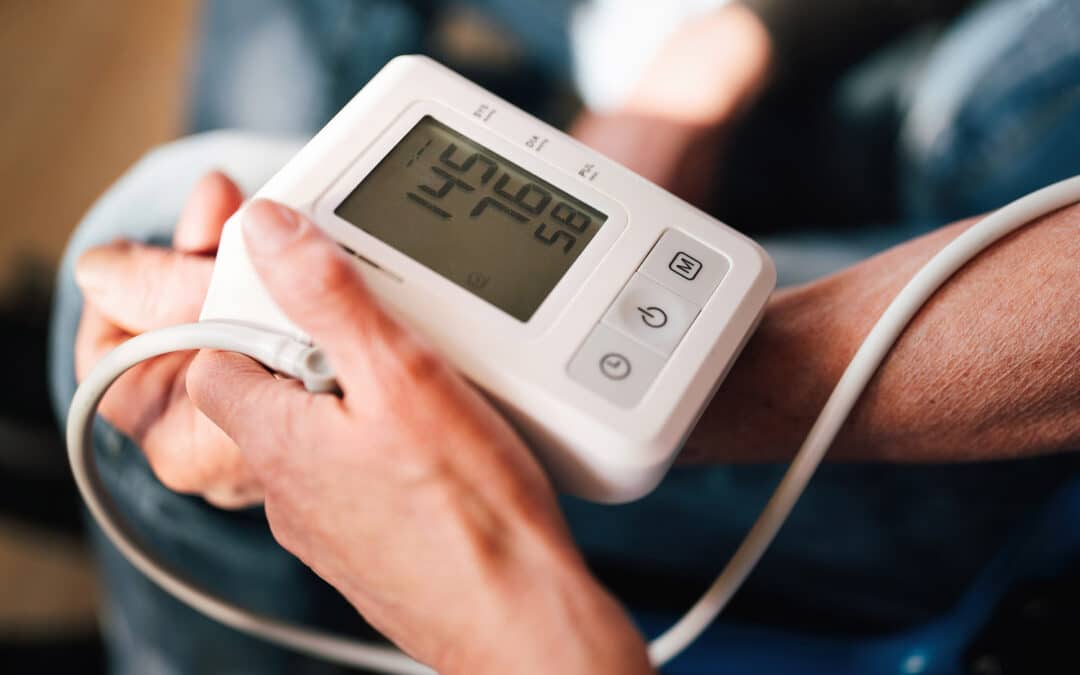
Technology makes it easier than ever to monitor your heart at home. Devices like smartwatches or portable ECGs can help you recognize patterns, identify triggers, and share data with your healthcare team. The more informed you are, the more empowered you become.
Benefits of Managing Arrhythmia Through Lifestyle
When you take an active role in managing your arrhythmia, you’re doing more than just avoiding discomfort, you’re improving your overall quality of life in profound ways.
Improved Heart Rhythm Stability
Over time, lifestyle changes help your heart maintain a more consistent rhythm. You may experience fewer irregular beats, shorter episodes, and improved recovery times when they do occur.
Better Quality of Life
When your heart feels steady, so does your mind. People who manage their arrhythmia often report better sleep, improved mood, and a greater ability to enjoy everyday activities without fear or interruption.
Reduced Risk of Complications
Untreated arrhythmia can lead to serious complications, including stroke and heart failure. By staying proactive with your lifestyle, you reduce the chances of these risks becoming reality.
Empowerment Through Control
There’s something powerful about knowing that your daily choices have a direct impact on your health. Instead of feeling at the mercy of your arrhythmia, you’re steering your ship; calmly, confidently, and informed.
Visit Vital Heart Rhythm
If you’re living with arrhythmia, you’re not alone, and you don’t have to navigate it alone, either. The Vital Heart Rhythm at Vital Heart & Vein is here to help you find your rhythm again. Vital Heart Rhythm offers state-of-the-art diagnostics, personalized care plans, and a team of leading electrophysiology specialists. Our goal is to be a place of understanding, support, and real results.
Patients choose Vital Heart & Vein not just because of the expertise, but because of the care. Here, your story matters. Whether you’re just beginning your journey with arrhythmia or seeking better ways to manage it, their team is committed to helping you live fully and confidently.
Let today be the day you take the next step. A steady heart starts with a strong partner and Vital Heart & Vein is ready to walk with you every beat of the way.